
What Is Alternet Studio X
We’re excited to introduce AlterNET Studio X, the next generation of our cross-platform code editing, scripting, and debugging solution. Built on modern .NET runtime and the AlterNET UI framework, AlterNET Studio X brings powerful code editing and .NET and Python scripting and debugging capabilities to Windows, macOS, Linux, iOS, and Android.
Following an extended beta-testing period that began in mid-2025, the first public release of AlterNET Studio X is now available alongside the latest AlterNET Studio 11.0 release. This milestone marks a major step forward in our goal of providing a consistent, modern development experience across platforms.
In this article, we’ll explore how AlterNET Studio X changes cross-platform development and the architectural and component changes behind the new platform.
Cross-Platform Code Editor
AlterNET Studio X’s Code Editor is designed for true cross-platform consistency. Developers on macOS and Linux will benefit from a native editing experience powered by the AlterNET UI library. On Windows, the Code Editor maintains all the existing features developers rely on, with full parity in functionality.
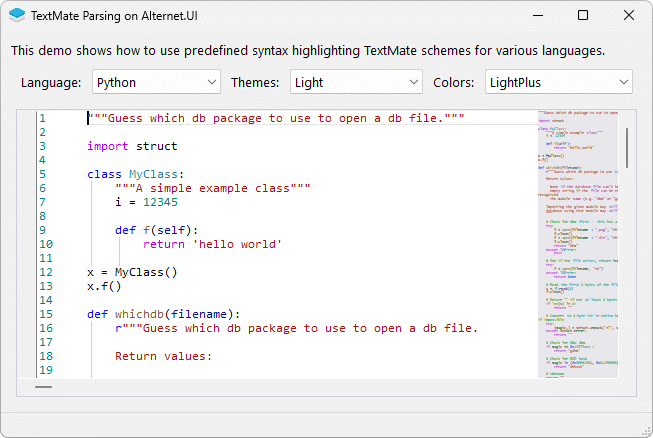 Code Editor - Windows
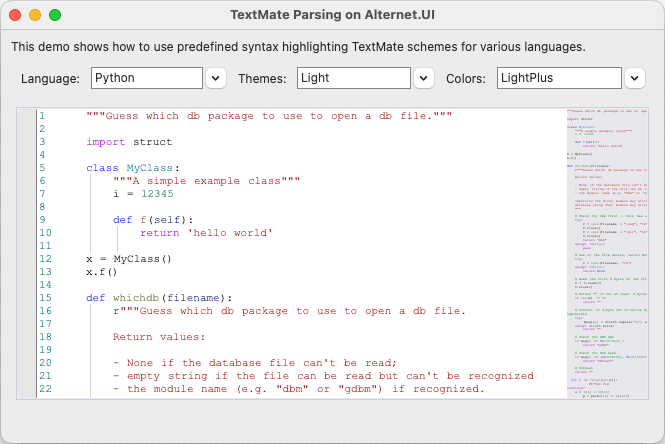 Code Editor - macOs
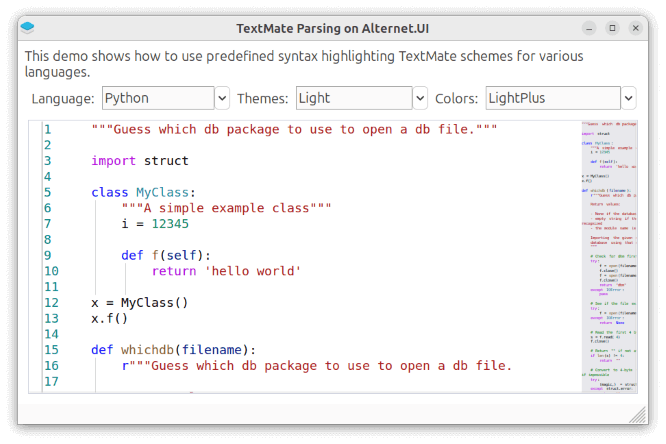 Code Editor - Linux
Meanwhile, support for iOS and Android is made possible via .NET MAUI integration, ensuring that code editing on mobile devices is seamless and responsive.
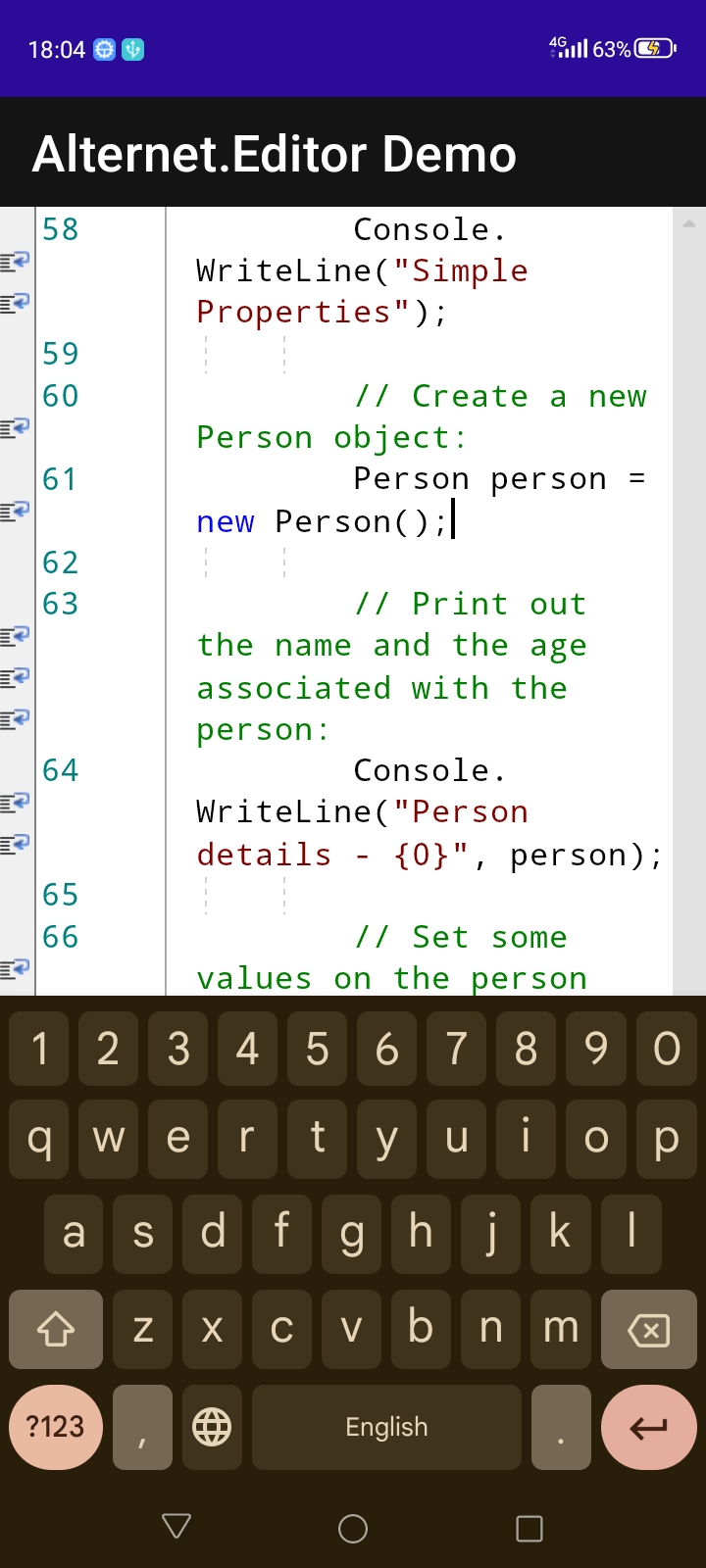 Code Editor - Android
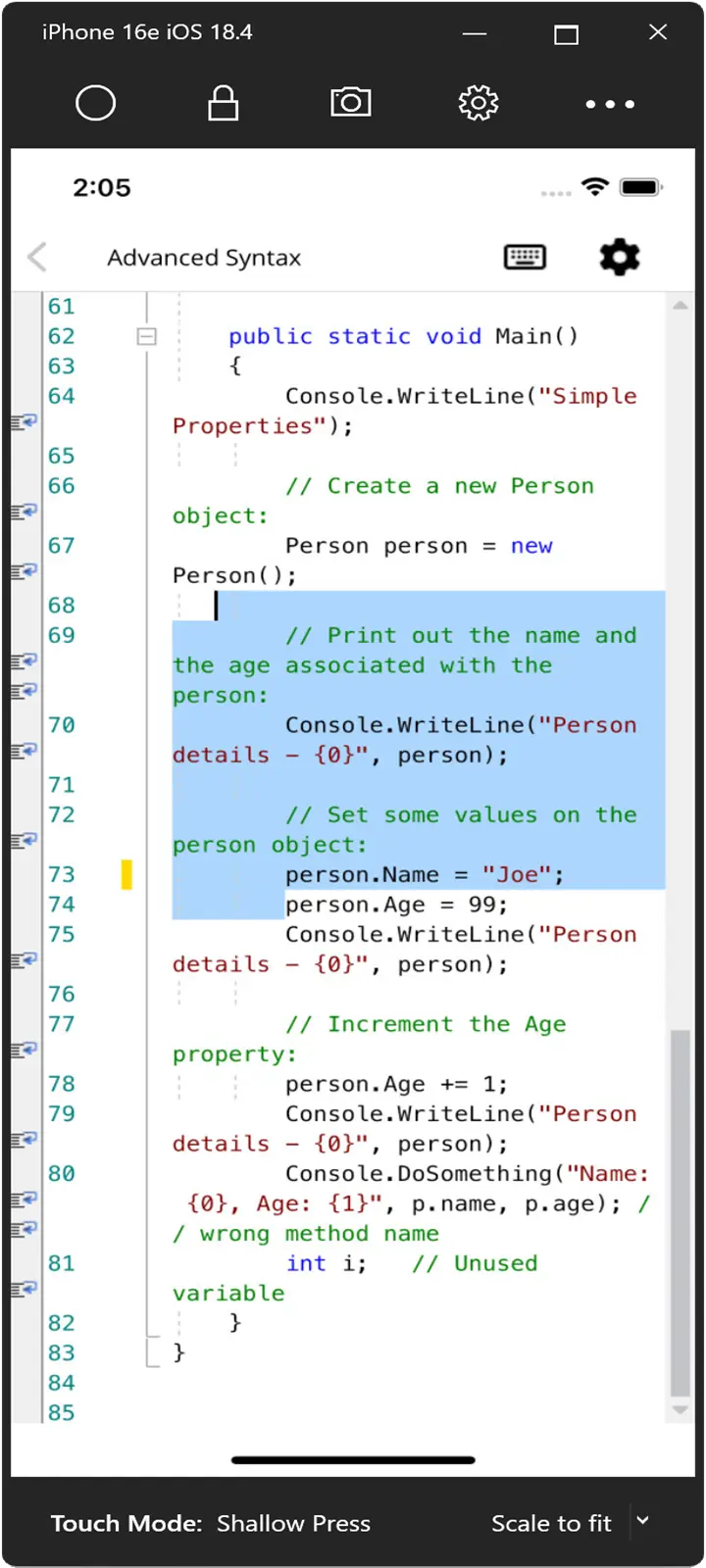 Code Editor - iOS
Unified Debugging for .NET and Python
At the core of AlterNET Studio X lies a new unified debugging engine, capable of handling C#, Visual Basic and Python scripts. The .NET debugger integrates directly with the platform’s diagnostic APIs, supporting breakpoints, call stacks, watch expressions, and variable inspection. Developers can step through code in real time, attach to external processes, and inspect application state across supported platforms.
The Python debugger complements this by offering an embedded Python interpreter. This makes it possible to step between .NET and Python code in hybrid solutions, where Python scripts extend .NET host applications. Such integration is particularly useful for automation, AI integration, and scientific computation scenarios, where .NET’s structure meets Python’s flexibility.
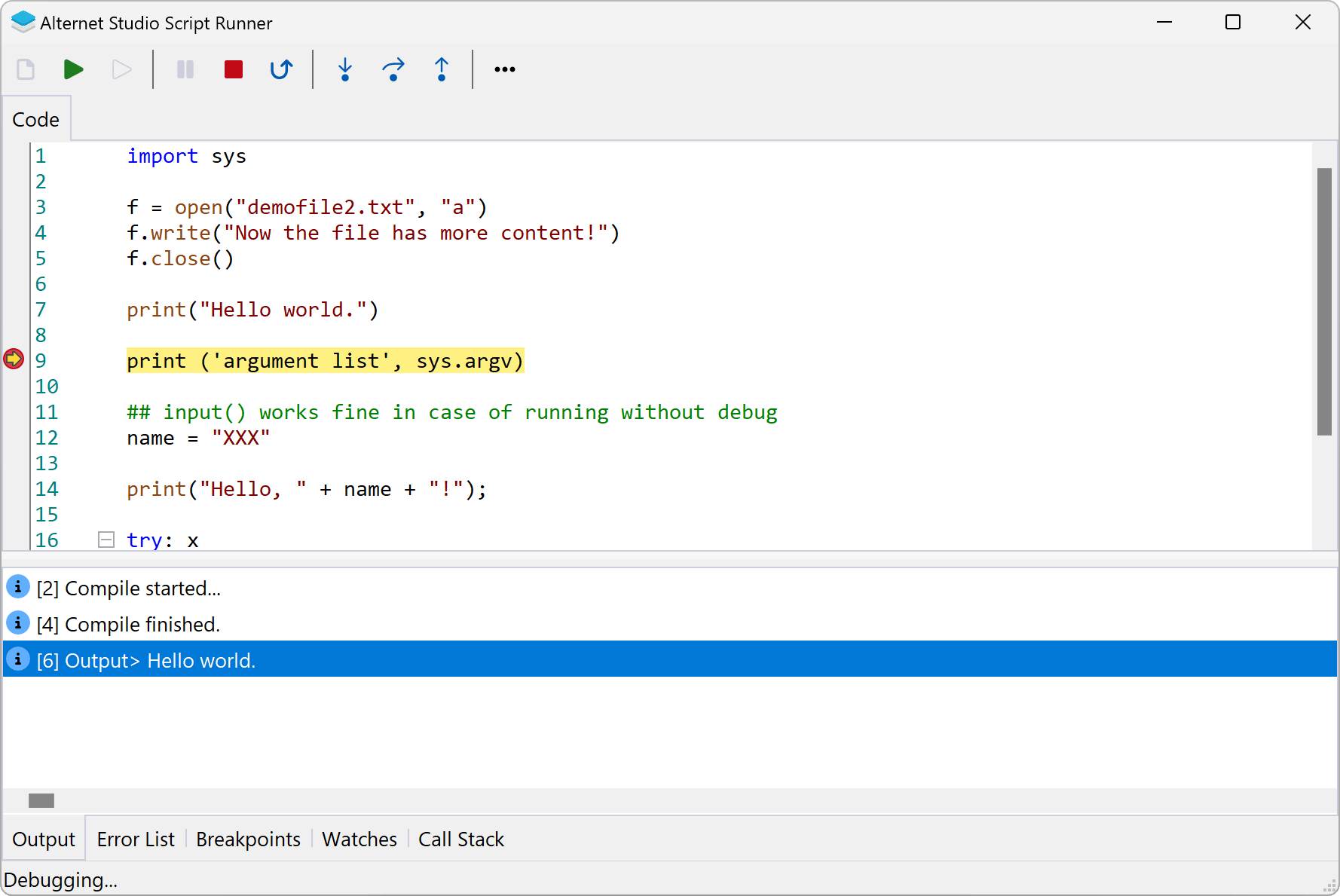 Script Debugger - Windows
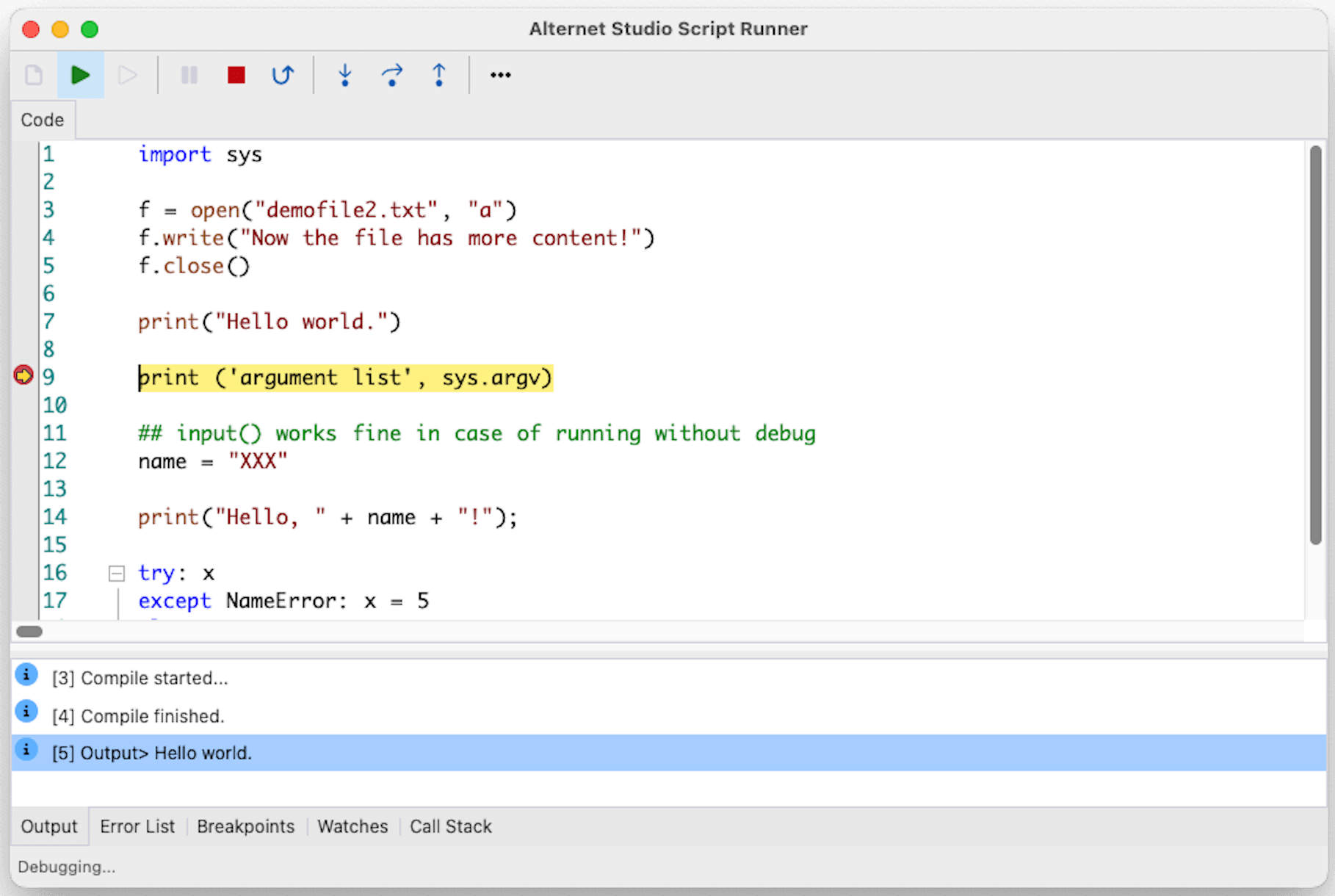 Script Debugger - macOs
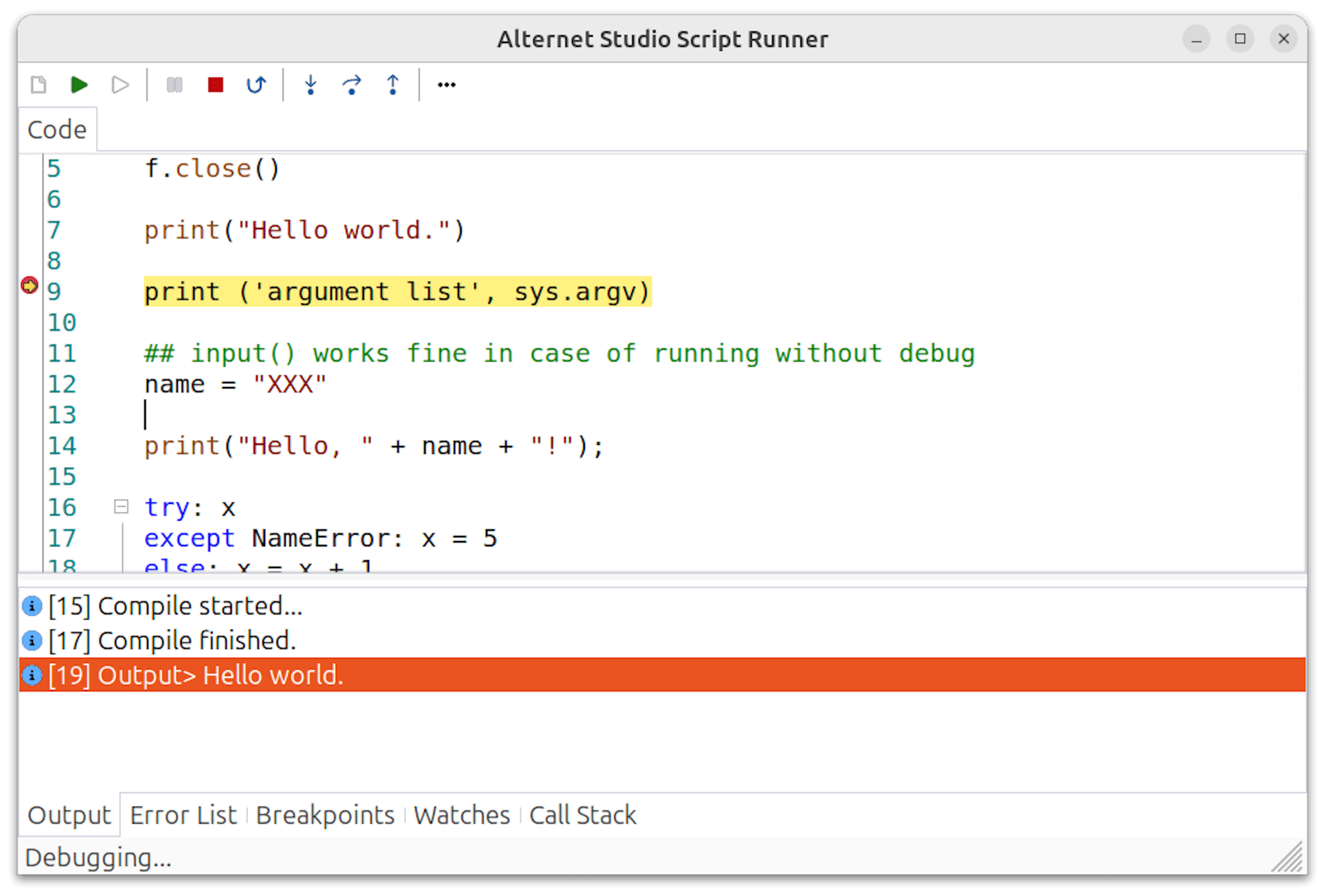 Script Debugger - Linux
Changes to Component Libraries
To support this cross-platform evolution, the AlterNET Studio component libraries have been refactored and reorganized. All core assemblies can run on any modern .NET runtime. Platform-specific functionality, such as Windows UI components, has been isolated into dedicated libraries, while the Alternet UI framework handles common functionality across systems.
Developers using the current version of AlterNET Studio will find that most APIs remain compatible, simplifying migration to the new environment.
Product Tiers & Licensing
AlterNET Studio X is offered as a separate edition, providing access to the full cross-platform functionality of AlterNET Studio X on Windows, macOS, Linux, iOS, and Android, with support for both .NET and Python debugging. It does not include the Windows-specific WinForms and WPF components.
All AlterNET Studio X functionality is also included in the Universal Edition, which combines cross-platform capabilities with the full set of Windows-specific components and features. This makes the Universal Edition the best choice for developers who need to build both cross-platform and WinForms/WPF-specific applications.
Summary
AlterNET Studio X represents the next stage in the evolution of the Alternet Studio ecosystem - transforming a Windows-based development environment into a fully cross-platform code editing and debugging framework. With unified support for .NET and Python script debugging, modernized architecture, and consistent UI behavior across all major operating systems, AlterNET Studio X offers developers a robust, extensible foundation for building the next generation of cross-platform applications.